
EUROPEAN YOUTH MEETING - PROGRAMME STRUCTURE
D--EXCURSIONS+DECENTRALISED WORKSHOPSPACES
Linking artistic practice and educational reflection to the local context
- The excursions are a central part of the Creative Meeting and connect artistic practice with direct experience of the region. Participants explore cultural institutions, independent art spaces, urban environments and the Polish–Belarusian border area together. The excursions are not only visits — they function as mobile learning and workshop spaces where observation, dialogue and artistic experimentation become part of the creative process.
- The programme combines questions of resilience, memory, borders, social transformation and intercultural exchange. Young artists and participants from different European countries work collectively while encountering the political and cultural realities of Podlasie directly on site.
LEARNING THROUGH EXPERIENCE
The excursions combine informal and non-formal learning methods with artistic collaboration and intercultural exchange. Shared experiences, discussions and observations directly influence the development of workshops, performances, installations and future creative projects during the meeting.
Participants are encouraged to transform their reflections into artistic practice. Through collective creation, site-specific performances, temporary installations and public interventions, they experiment with art as a tool for dialogue, civic engagement and social visibility. The border region thus becomes both a place of learning and a stage for creative expression, connecting personal experiences with broader European realities.
D1---MOCHNARTE FOUNDATION – ART & COMMUNITY
The visit to the Mochnarte Foundation introduces participants to independent artistic initiatives and collective cultural work in rural Podlasie. Discussions and workshops focus on artistic resilience, participatory practices and alternative cultural spaces beyond metropolitan centres

CULTURAL ORGANISATIONS IN BIAŁYSTOK
D 2 -- BOK / Zamenhof Centre
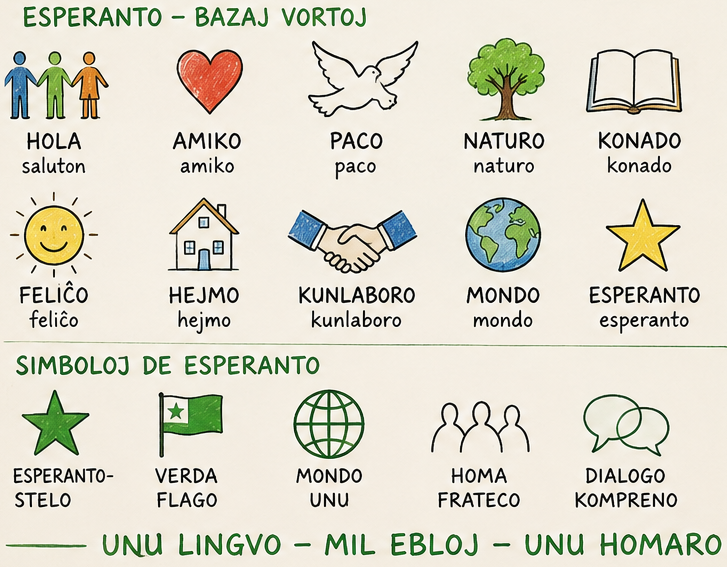
Participants engage with exhibitions, educational programmes and artistic initiatives connected to language, communication, coexistence and European cultural heritage. Special attention is given to the legacy of Ludwik Zamenhof, the creator of Esperanto, and to contemporary approaches that promote understanding across cultural, linguistic and political boundaries. During a dedicated project afternoon, participants will take part in a creative Esperanto workshop combining language, visual arts and intercultural dialogue. Through hands-on artistic activities, they will explore Esperanto not only as a language, but also as a cultural idea of communication, cooperation and peaceful coexistence across borders.
D3 Center for Belarusian Culture (CBK/ZBK)
Visits and workshops at the Center for Belarusian Culture introduce participants to the cultural life of the Belarusian minority and democratic Belarusian communities living in Poland and across Europe.
Through exhibitions, meetings with artists, cultural activists and representatives of civil society, participants gain insights into contemporary Belarusian culture, questions of identity, migration, exile and cultural resilience. The programme encourages dialogue on freedom, memory, civic engagement and the role of culture in times of political repression and social transformation.
D 4 LOST PLACES & URBAN EXPLORATION
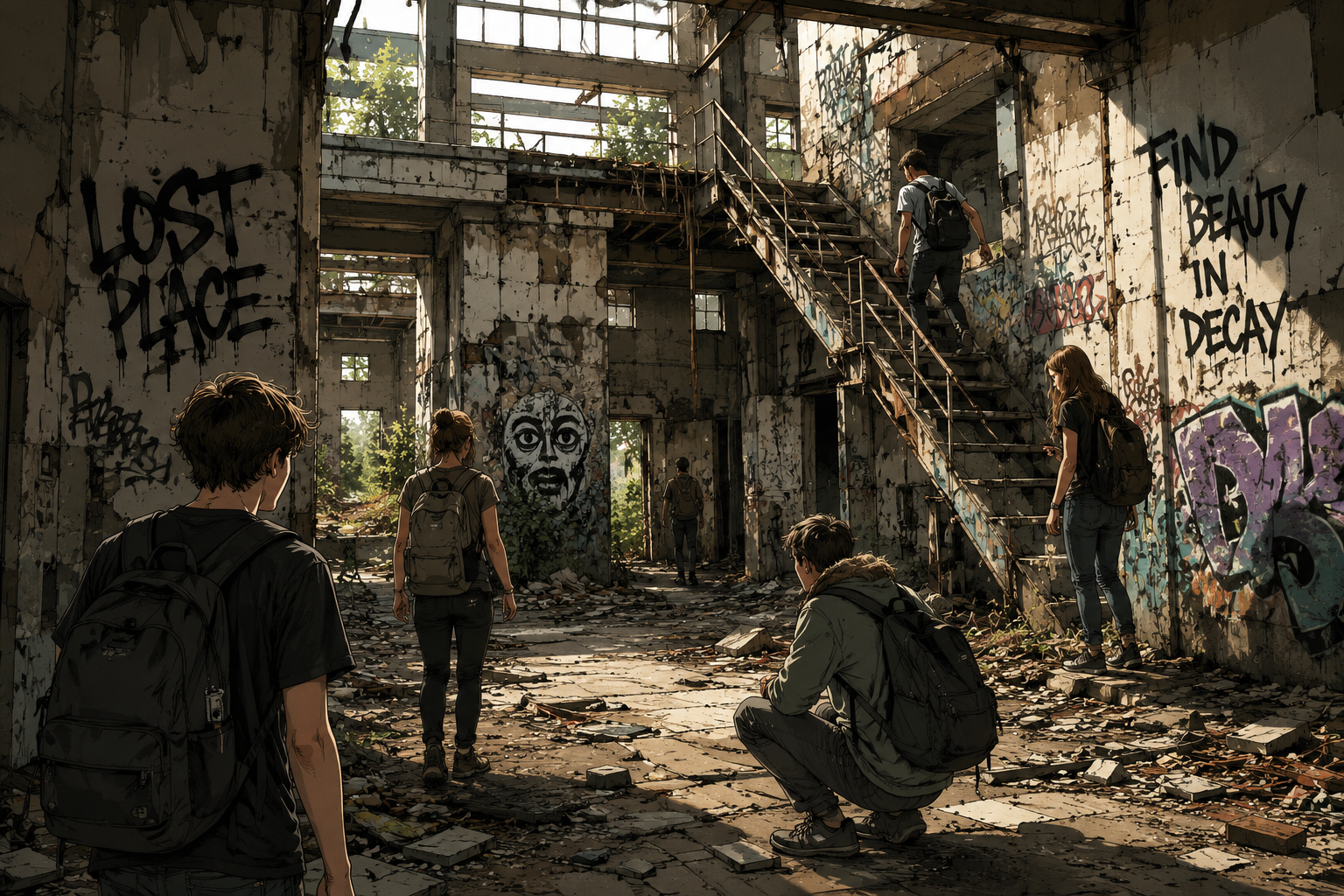
Abandoned buildings and forgotten urban areas in Bialystok become temporary laboratories for photography, mapping, performance and artistic reflection. Participants investigate questions of transformation, memory and invisible histories within changing city landscapes.
D 5 POLAND–BELARUS BORDER REGION
The journey to the border region creates direct encounters with one of Europe’s most politically sensitive spaces. Participants explore questions of migration, exclusion, visibility, solidarity and resilience while experiencing the realities of the external EU border environment.
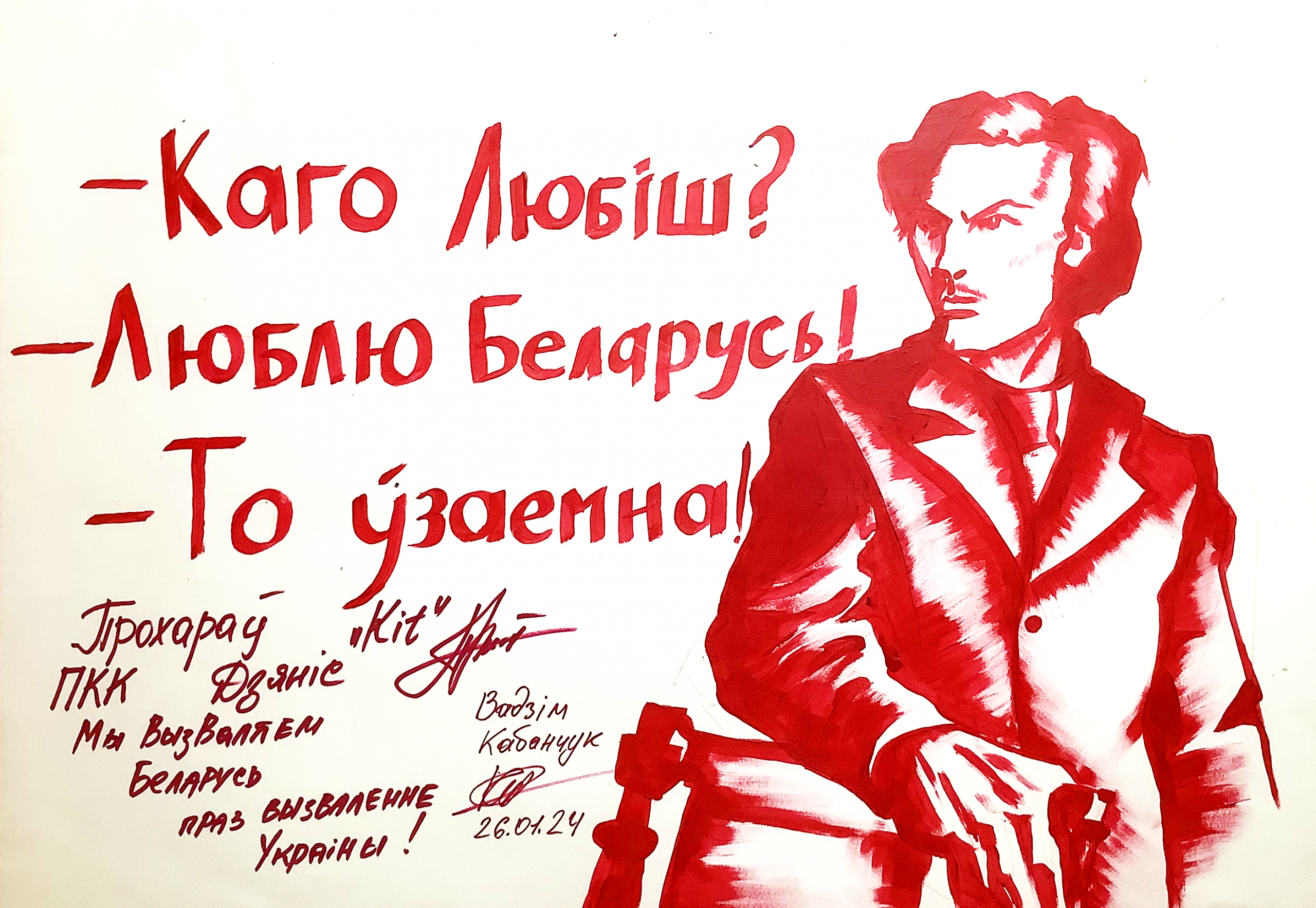
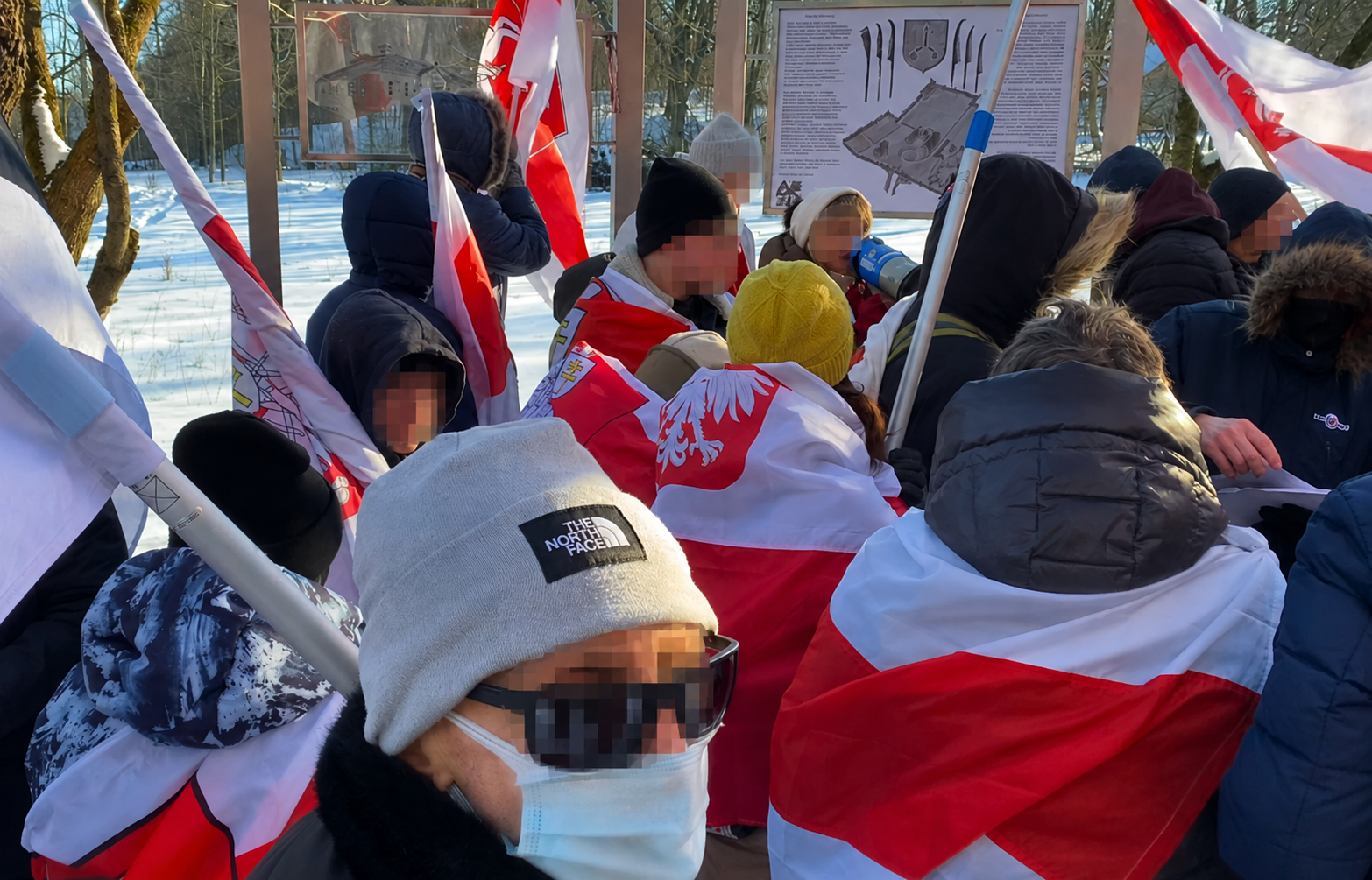
The visit is not limited to reflection and observation. The border area itself becomes a temporary artistic laboratory where participants engage with the landscape, local history and contemporary political realities through creative action. In the vicinity of the Kastus Kalinowski Memorial, small-scale artistic interventions, spontaneous performances, street art actions and temporary five-minute installations will be developed and presented. These ephemeral works encourage participants to respond directly to the site, creating visible and accessible expressions of memory, resistance, freedom and European solidarity.
Kalinowski-March Feb. 26 - final on the spot at the border